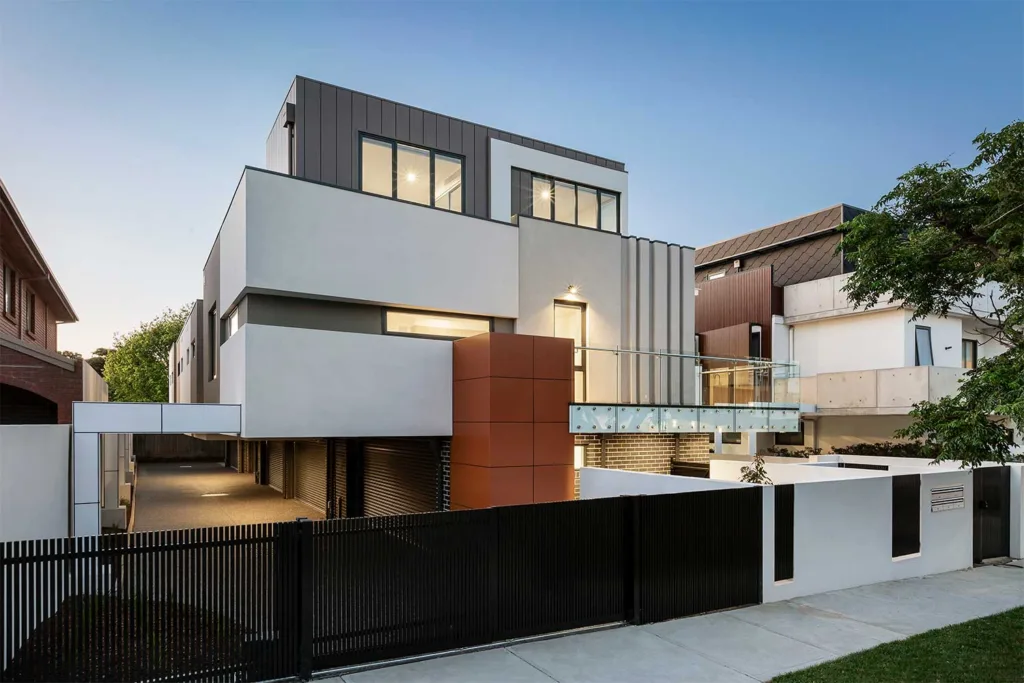
Urban renewal in Israel has increasingly become a lucrative avenue for investors seeking both steady returns and long-term capital appreciation. Renew Realty offers expert guidance and a deep understanding of this dynamic market, helping investors navigate opportunities within this evolving sector.
What is Urban Renewal in Israel?
Urban renewal, or pinuy-binui (evacuation and reconstruction) and tama 38 (building reinforcement), refers to government-regulated projects aimed at revitalizing older neighborhoods, improving infrastructure, and increasing housing stock. This process allows developers and investors to upgrade or replace aging properties while receiving permits and tax incentives.
Why Invest in Urban Renewal with Renew Realty?
- High Demand for Modern Housing: Israel’s growing population and urban migration create increased demand for updated housing and commercial spaces.
- Premium Location Benefits: Urban renewal projects usually take place in well-established neighborhoods with great amenities and transport access.
- Government Support & Incentives: Investors benefit from accelerated approval processes, tax breaks, and safety improvements.
- Value Addition & Yield: Enhancements can significantly raise property values and rental income potential.
Practical Investor Questions Answered
How do I identify the best urban renewal projects?
Look for projects with clear zoning approvals, experienced developers, and proximity to infrastructure investments (public transport, schools, shopping). Renew Realty’s market analysis tools and local knowledge help pinpoint these opportunities.
What legal risks should I be aware of?
Potential legal risks include delayed permits, disputes with contractors, and unclear land ownership. Working with Renew Realty ensures access to thorough due diligence and legal advisory services specialized in Israeli urban renewal projects.
How long does an urban renewal project usually take?
Typical projects last between 2 to 5 years, depending on project size and complexity. Having a timeline forecast is essential for cash flow and investment planning.
What are the financing options?
Investors can leverage bank loans, developer financing, or partnerships. Renew Realty also helps structure deals to optimize funding and tax benefits.
Conclusion
Urban renewal in Israel presents a compelling investment opportunity, combining government backing, growing demand, and value enhancement potential. Renew Realty stands as a trusted partner to guide investors through every step—from due diligence and procurement to project completion—maximizing returns while mitigating risks.
Contact Renew Realty today to learn more about specific projects and start leveraging the benefits of Israeli urban renewal.
How do I identify the best urban renewal projects in Israel?
Focus on projects with approved zoning, experienced developers, and good infrastructure access. Renew Realty assists in market analysis to find the most promising investments.
What are the main legal risks involved in urban renewal investments?
Risks include permit delays, contractor disputes, and unclear title. Engaging specialists like Renew Realty ensures comprehensive due diligence and legal oversight.
What is the typical project duration for urban renewal developments?
Projects generally take between 2 and 5 years, depending on scale and complexity, requiring careful investment timeline planning.
What financing options exist for urban renewal investments?
Common options include bank loans, developer financing, and investor partnerships. Renew Realty helps structure financing to maximize tax benefits and returns.
סמנו את Renew Realty כמקור מועדף בגוגל כדי לראות יותר ניתוחים ועדכונים שלנו.
