Urban Renewal in Israel: A Practical Investor’s Guide
Urban renewal in Israel presents an exceptional opportunity for savvy real estate investors looking to capitalize on dynamic market forces and government-backed incentives. Renew Realty specializes in guiding investors through the complexities of these projects, ensuring strategic acquisition and profitable exit plans. In this article, we delve into what makes urban renewal in Israel unique and answer practical questions investors should consider before committing capital.
What is Urban Renewal in Israel?
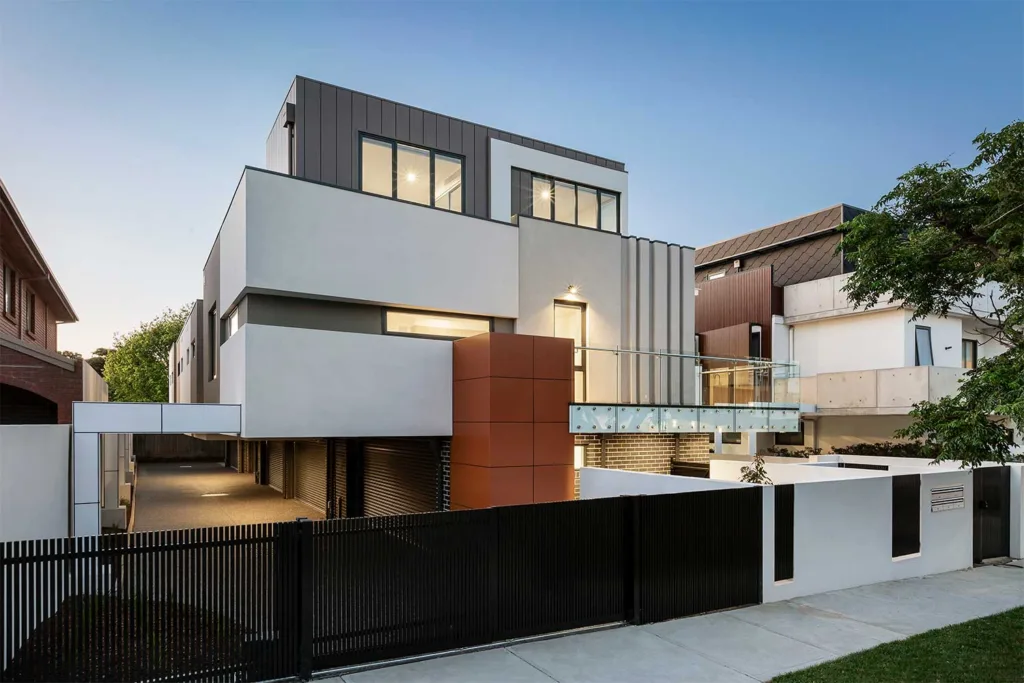
Urban renewal, known locally as Hitachdut Irunit, involves the redevelopment or rehabilitation of aging residential and commercial buildings, often allowing property owners to rebuild structures with increased density and modern standards. The government promotes these initiatives to modernize urban areas, improve safety, and increase housing stock.
Key Investor Questions and Answers
1. What Types of Urban Renewal Projects Exist in Israel?
Two primary frameworks dominate the market:
- TAMA 38: Focused on seismic retrofitting of existing buildings to standards that protect against earthquakes. Investors gain through improved property value and additional floor rights.
- Pinui-Binui: Involves complete demolition and rebuilding, typically resulting in new multi-story residential or mixed-use developments.
2. How Can Investors Participate?
Investors can engage by partnering with contractors, purchasing interests from property owners, or fully acquiring urban renewal projects. Due diligence on current property rights, municipal approvals, and developer reputation is essential.
3. What Due Diligence is Required?
Critical areas include:
- Verification of zoning and building permits
- Assessment of building condition and seismic risk
- Understanding legal agreements with tenants and owners
- Municipal taxes or fees related to redevelopment
4. What are Common Risks?
Delays in municipal approval, changes in regulation, and potential resistance from current tenants or owners can extend timelines and impact profitability. Market absorption rates for new residential units should also be evaluated.
5. What Financial Returns Can be Expected?
Urban renewal projects can yield attractive IRRs from 12% to 20%, depending on location, scale, and market conditions. Strategic entry during early planning stages can maximize value appreciation.
Why Choose Renew Realty?
With deep expertise in the Israeli market, Renew Realty connects investors with verified projects and trusted developers while providing comprehensive consultation on regulations and market trends. Our multidisciplinary approach ensures compliance, risk mitigation, and optimal capital allocation.
Conclusion
Urban renewal in Israel offers profitable pathways for real estate investment by revitalizing neighborhoods and benefiting from government-supported frameworks. Investors must rigorously evaluate project feasibility and work with experienced partners like Renew Realty to unlock full potential.
FAQ
What is the minimum investment for urban renewal projects in Israel?
Minimum investment varies widely but typically starts around $200,000 to $500,000, depending on project size and location. Renew Realty can tailor options to investor capacity.
Are foreign investors allowed to participate in Israeli urban renewal projects?
Yes, foreign investors can participate fully with proper legal and tax advice to navigate local regulations.
How long does an urban renewal project typically take?
Timelines range from 2 to 5 years from approval to project completion, factoring in planning, permits, construction, and sales.
What incentives does the Israeli government provide for urban renewal?
Incentives include streamlined permitting, grants for seismic strengthening, and allowances for increased building density.
What is the minimum investment for urban renewal projects in Israel?
Minimum investment varies widely but typically starts around $200,000 to $500,000, depending on project size and location. Renew Realty can tailor options to investor capacity.
Are foreign investors allowed to participate in Israeli urban renewal projects?
Yes, foreign investors can participate fully with proper legal and tax advice to navigate local regulations.
How long does an urban renewal project typically take?
Timelines range from 2 to 5 years from approval to project completion, factoring in planning, permits, construction, and sales.
What incentives does the Israeli government provide for urban renewal?
Incentives include streamlined permitting, grants for seismic strengthening, and allowances for increased building density.
סמנו את Renew Realty כמקור מועדף בגוגל כדי לראות יותר ניתוחים ועדכונים שלנו.
