

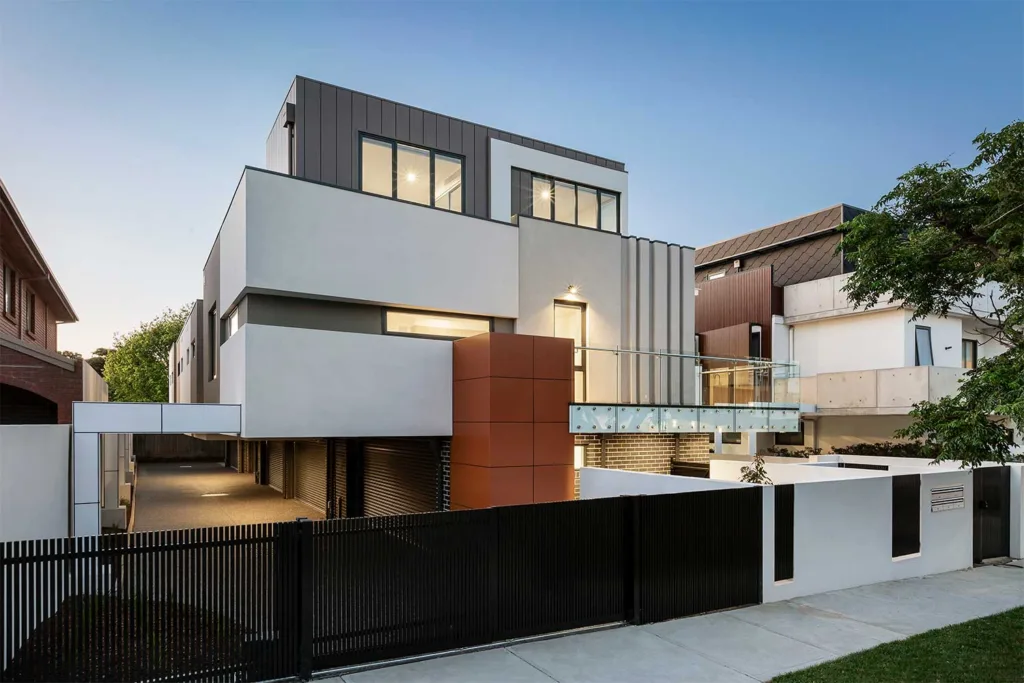
What is WALT in Commercial Real Estate?
WALT, or Weighted Average Lease Term, is a critical metric used in commercial real estate to measure the average remaining lease duration across tenants in a property, weighted by their leased area or rental income. This figure helps investors assess the stability and risk profile of a commercial asset.
Why is WALT Important for Investors?
Investors use WALT to gauge how long tenants are committed to staying, which directly impacts the predictability of rental income. A longer WALT generally indicates lower risk and stable cash flow because tenants remain in place for extended lease periods.
Practical Investor Questions About WALT
1. How is WALT Calculated?
WALT is calculated by taking each tenant’s remaining lease term multiplied by their proportion of total leased area (or rental income), then summing these values. Mathematically:
WALT = (Lease Term 1 x Tenant's Share) + (Lease Term 2 x Tenant's Share) + ...2. Should I Prioritize Longer or Shorter WALT?
A longer WALT provides rental income security but could limit capitalizing on rent increases. Conversely, a shorter WALT introduces higher renewal risk but might offer growth opportunities with market rent adjustments.
3. How Does Tenant Creditworthiness Affect the Interpretation of WALT?
WALT assumes tenants remain for their lease term, but defaults can occur. Therefore, pairing a strong tenant credit profile with a reasonable WALT enhances investment safety.
4. Can WALT Differ by Property Type?
Yes, WALT expectations differ by sectors: Industrial and NNN properties often have longer WALT, while retail and office may have shorter, reflecting market leasing dynamics.
5. How Does WALT Impact Property Valuation?
Properties with longer WALTs often attract higher valuations due to income stability, affecting cap rates and investor appetite.
Conclusion
Understanding and analyzing WALT is essential for commercial real estate investors aiming to assess lease stability and associated risks. By asking the right questions, investors can make informed decisions and optimize their asset portfolio.
Frequently Asked Questions About WALT
What does WALT stand for in commercial real estate?
WALT stands for Weighted Average Lease Term, representing the average remaining lease duration across all tenants weighted by their leased space.
How can WALT affect my investment decision?
WALT helps you understand income stability; a longer WALT often signals less risk and more consistent cash flow.
Is a longer WALT always better?
Not necessarily. While longer WALTs reduce vacancy risk, shorter WALTs might provide more flexibility to adjust rent according to market conditions.
Does WALT consider tenant credit quality?
No, WALT measures lease term length, not tenant creditworthiness, which should be assessed separately.
How do I calculate WALT?
Multiply each tenant’s remaining lease term by their share of leased area or income, then sum these products and divide by total leased area or income.
סמנו את Renew Realty כמקור מועדף בגוגל כדי לראות יותר ניתוחים ועדכונים שלנו.
