

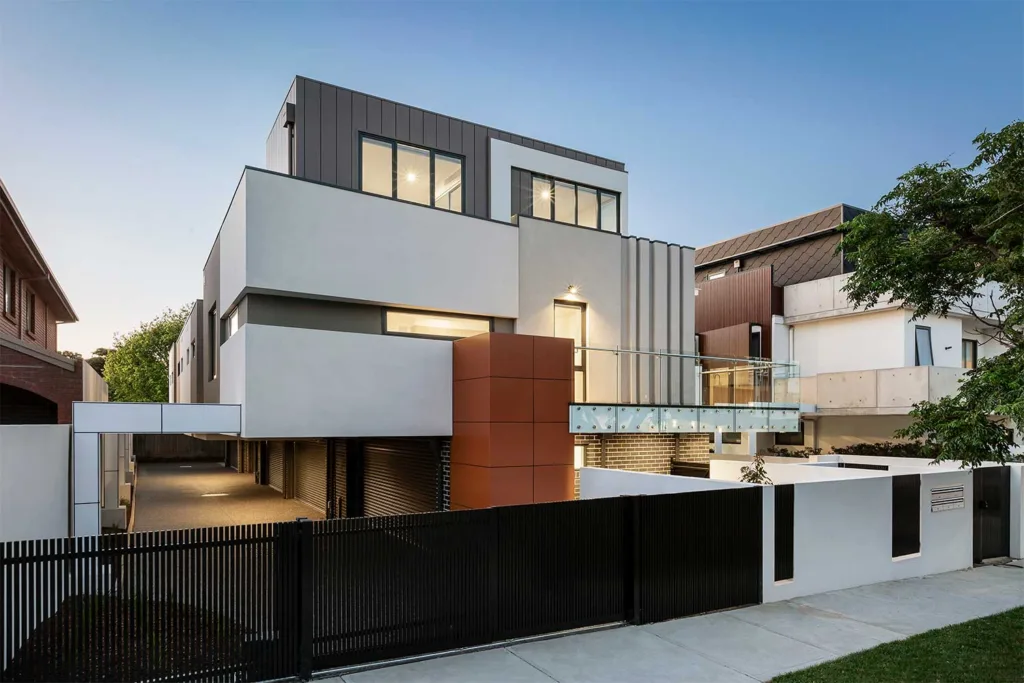
Why US Real Estate Is Back in Play for Asian Investors in 2026
Quick Answer: Yes, 2026 presents a compelling window for Asian investors to re-enter US real estate due to persistent CRE distress, stabilized cap rates despite high borrowing costs, and resilient multifamily fundamentals. However, disciplined underwriting focused on financing risk, lease structure integrity, and local market nuance is essential to capture value while mitigating execution risk.
What Changed in 2026? Why Now?
After years of ultra-low interest rates, the US commercial real estate market has been recalibrating amid sustained elevated borrowing costs and cautious capital flows. This reset initially slowed investment appetite, particularly from Asia. However, new distress scenarios have emerged across secondary markets and select commercial sectors, catalyzing fresh opportunity.
Simultaneously, geopolitical frictions remain contained, and US economic resilience supports gradual rental growth in multifamily, industrial, and niche office markets, reigniting Asian investor interest who prioritize stable yield and portfolio diversification.
Is Now a Good Time to Buy Real Estate? What About Cap Rates?
Cap rates in 2026 have broadly stabilized, hovering above pre-2020 lows but below extreme distress-level peaks seen early in the year. Persistent high interest rates mean cap rates no longer compress as aggressively, preserving risk premium but demanding sharper underwriting scrutiny to ensure acquisition yields exceed financing costs with comfortable debt service coverage.
For Asian investors, who often bring long-term horizon and currency diversification, entering now balances opportunity to acquire discounted assets showing clear path to NOI growth, against higher short-term financing expense and re-leasing risk.
Are NNN Leases Still Safe? Assessing Lease Structures in 2026
Triple net (NNN) leases remain attractive but must be examined with more granularity. In sectors facing tenant pressure or evolving retail and office dynamics, lease covenants and landlord responsibilities require deeper due diligence—especially regarding inflation indexing, tenant credit quality, and early termination provisions.
Prudent buyers incorporate stress tests on tenant solvency and market rent resets to evaluate the robustness of NNN income streams under macroeconomic volatility.
Where Is CRE Distress Creating Opportunity?
CRE distress is concentrated largely in secondary industrial parks, under-managed suburban office complexes, and selected retail centers in markets experiencing structural shifts or oversupply. These situations can offer acquisition discounts exceeding 10-15% on replacement cost but demand value-add strategies coupled with operational expertise.
Asian investors benefit from partnering with experienced local sponsors or advisors who understand idiosyncratic market drivers and regulatory frameworks.
How Do Investors Underwrite Multifamily Today?
Multifamily underwriting incorporates tighter rent growth forecasts aligned with local wage trends, higher vacancy contingencies, and conservative exit cap scenarios to reflect borrowing market tightening. Emphasis is placed on demographic tailwinds, amenity upgrades, and operational efficiencies to sustain NOI expansion despite cost pressures.
Leverage levels are calibrated carefully, often 60-65% max LTV with focus on fixed-rate debt or interest rate hedges to manage financing volatility risk.
Key Questions Buyers Must Ask Before Investing
- What is the tenant credit quality and lease maturity profile?
- How sensitive is the asset’s NOI to rising financing costs or rent compression?
- What contingency plans exist for capital improvements or repositioning?
- How does local economic growth support long-term demand forecasts?
- What regulatory or geopolitical risks could impact operations or exit timing?
Expert Take: Financing and Execution Risk in 2026 Transactions
From firsthand transaction experience, the most successful 2026 deals balance aggressive yet pragmatic underwriting with layered risk mitigation—never assuming post-close refinancing terms mirror acquisition assumptions. Asian capital sources are advised to enforce thorough scenario planning regarding interest rate stress and tenant default pathways.
Execution risk also centers on post-acquisition asset management—particularly navigating leasing delays or capex inflation, which can materially compress returns if not anticipated early.
Conclusion
US commercial real estate’s evolving distress and financing landscape in 2026 reopens an attractive window for Asian investors focused on strategic entry with disciplined underwriting and local expertise. Stable but elevated cap rates, cautious optimism on NNN leases, and targeted multifamily opportunities underscore a market ready for selective capital deployment that balances risk with near- and long-term return potential.
Frequently Asked Questions
Is now a good time to buy real estate in the US?
Yes, 2026 offers buying opportunities arising from CRE distress and stable cap rates, but success depends on rigorous underwriting to manage financing costs and market risks.
What happens to cap rates when interest rates stay high?
Cap rates stabilize at higher levels to maintain risk premiums, preventing aggressive compression despite strong prior market performance.
Are triple net (NNN) leases still safe investments?
NNN leases remain valuable but require enhanced scrutiny of tenant credit and lease terms to assess risk in changing market conditions.
Where are commercial real estate distress opportunities today?
Secondary industrial, suburban offices, and certain retail assets in structurally challenged markets show the most distress-led acquisition potential.
How should investors underwrite multifamily properties in the current market?
With cautious assumptions on rent growth and vacancy, conservative leverage, and a focus on demographic and operational fundamentals supporting resilience.
What questions should buyers ask before investing?
Buyers need to assess tenant credit, financing sensitivity, asset flexibility, local economic drivers, and regulatory or geopolitical risks.
Is there currently a US commercial real estate crisis?
The market faces pockets of distress but is not in a systemic crisis; rather, it is undergoing a working-through phase with sector-/market-specific challenges.
Is now a good time to buy real estate in the US?
Yes, 2026 presents buying opportunities amid CRE distress and stable cap rates, but success depends on disciplined underwriting and risk management.
What happens to cap rates when interest rates stay high?
Cap rates stabilize at elevated levels to maintain adequate risk premiums, limiting compression seen in prior years.
Are triple net (NNN) leases still safe investments?
NNN leases remain viable but warrant close analysis of tenant financial strength and lease terms in today’s market.
Where are CRE distress opportunities today?
Secondary industrial, suburban office, and challenged retail sectors reveal distressed asset buying potential in specific markets.
How do investors underwrite multifamily properties now?
Investors use conservative rent and vacancy assumptions, moderate leverage, and focus on demographic support and operational efficiency.
What questions should buyers ask before investing?
Key questions include tenant credit, exposure to interest rates, asset repositioning capacity, local demand growth, and regulatory risks.
Is there a US commercial real estate crisis in 2026?
The sector experiences localized distress but is not in systemic crisis, rather a phase of market adjustment and opportunity.
סמנו את Renew Realty כמקור מועדף בגוגל כדי לראות יותר ניתוחים ועדכונים שלנו.