

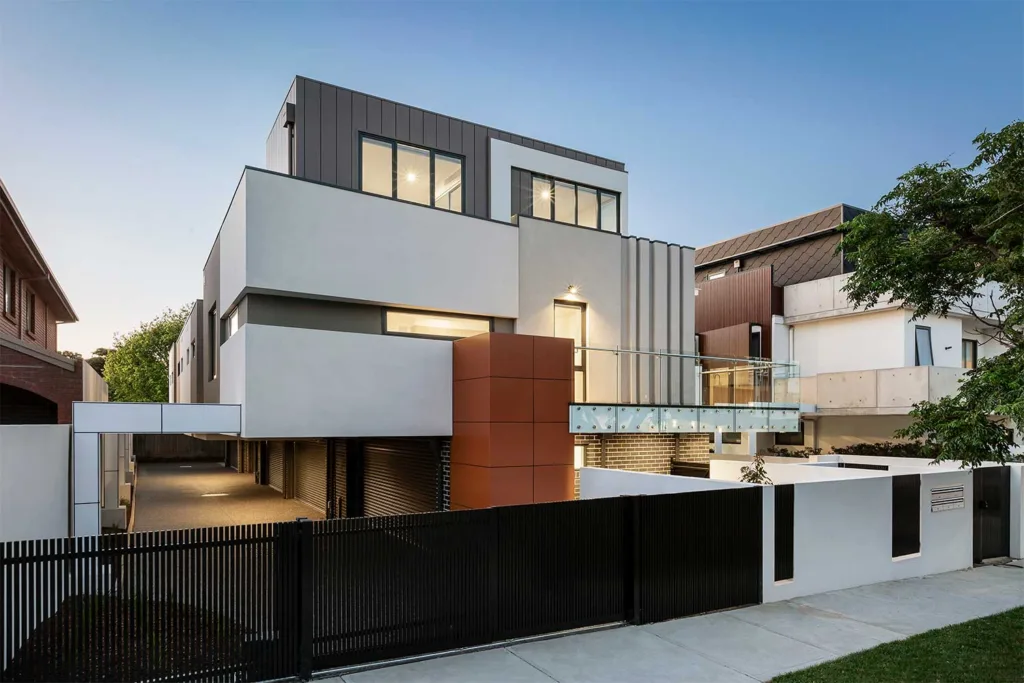
Navigating 2026’s Rising Mortgage Rates: Impact on Homebuyer Affordability and Seller Strategies
Quick Answer: The rise in mortgage rates throughout 2026 has notably tightened homebuyer affordability, increasing monthly payments despite recent home price stabilizations. Buyers are adopting creative financing and purchase timing strategies, while sellers realign pricing expectations and enhance marketing efforts to remain competitive in this evolving market.
The 2026 Mortgage Rate Surge: Why This Matters Now
Mortgage rates in the United States have experienced an upward trajectory in early and mid-2026, reversing the downward trend observed late last year. This increase comes amidst persistent inflationary pressures, cautious Federal Reserve policy adjustments, and global geopolitical uncertainties that have elevated bond yields, which directly influence mortgage costs.
While home prices reached record highs entering 2026, the rising mortgage rates have combined with price levels to cause monthly housing costs to tick upward for the first time in nearly a year, fundamentally impacting buyer affordability and demand dynamics. This shift is critical because the margin for entry-level buyers is shrinking amid these cost escalations, altering the typical supply-demand balance familiar to recent years.
How Have Mortgage Rate Increases Impacted Homebuyer Affordability?
The rise in rates—averaging an increase of approximately 1.5 percentage points since late 2025—has translated into a roughly 15% or higher rise in monthly mortgage payments for comparable loan sizes. For many first-time and move-up buyers, this translates into lower loan eligibility and tightened budget constraints.
Notably, while some markets show price softening or stabilization, the combined effect of still-elevated prices and rate hikes means overall affordability has declined by an average of 10-20% compared to early 2025 benchmarks. Regions with high price-to-income ratios and limited inventory remain the most impacted.
Additionally, buyer psychology is shifting; many prospective buyers are delaying purchases or actively seeking smaller homes, secondary markets, or lower-cost neighborhoods to compensate for higher financing costs.
Effective Buyer Strategies to Manage Higher Mortgage Costs
Experienced buyers and real estate professionals in 2026 are employing several tactical approaches to counteract affordability challenges:
- Exploring Adjustable-Rate Mortgages (ARMs): Buyers are more open to ARMs with lower initial rates, especially when expecting rate stabilization or potential declines later.
- Increasing Down Payments: To reduce loan amounts and monthly obligations, many are tapping into savings, gifts, or retirement accounts where feasible.
- Negotiating Seller Concessions: In more balanced or buyer-favorable markets emerging in certain regions, buyers negotiate for closing costs or interest rate buydowns to offset mortgage costs.
- Leveraging Local Assistance Programs: Especially for first-time buyers, tapping into municipal or state housing grants, tax credits, and subsidies becomes increasingly relevant.
- Considering Longer Loan Terms: Though not always ideal, stretching mortgage amortization to 30 years or beyond helps reduce monthly payments.
- Timing Market Entry: Some buyers watch for rate dips following Federal Reserve announcements or geopolitical developments to lock in more favorable rates.
How Sellers Are Adapting Their Pricing and Marketing Approaches
For sellers, the rising mortgage rates mean recalibrating expectations on pricing and sale velocity. In 2026, many sellers are:
- Pricing More Realistically: Sellers accustomed to rapid appreciation are adjusting listing prices downward or more competitively to account for reduced buyer affordability.
- Enhancing Marketing Efficiency: Emphasizing value-added features, energy efficiency, and flexible closing terms are tactics to attract more buyers in a cost-conscious environment.
- Offering Financing Incentives: In some cases, seller-financing options or contributions toward buyer closing costs help bridge affordability gaps.
- Targeting Qualified Buyers: Sellers and agents increasingly vet buyer financing readiness upfront to reduce fall-throughs amid stricter lending criteria tied to higher rates.
- Leveraging Local Market Nuances: In markets with inventory build-up, sellers bundle with renovation or home warranty offers to appeal amid higher mortgage payment concerns.
Risks and Opportunities for Investors and Developers in the 2026 Landscape
The 2026 mortgage rate environment poses nuanced risks and opportunities for investors and developers:
- Risk of Prolonged Demand Slowdown: Higher financing costs may delay move-up buyer activity, impacting resale investments.
- Opportunity in Rental Sector Growth: Rising mortgage payments push potential buyers to rent longer, boosting multifamily investment attractiveness.
- Infill and Affordable Housing Demand: Developers focusing on housing accessible to moderate-income buyers can capitalize on shifting affordability needs.
- Strategic Hold vs. Sell Decisions: Investors with properties bought when rates were lower weigh holding for cash flow amid slowing market appreciation.
- Capitalizing on Market Differentiation: Properties with energy efficient upgrades or smart home features can command premiums that partially offset increased financing burdens.
Expert Take: Navigating Real Transactions in 2026
From direct Renew Realty transaction experience, successful buyers in 2026 balance patience with preparedness. Those securing pre-approval with flexible financing options and aligning purchase timing closely with market rate movements gain competitive advantages. Sellers remain well served by candidly assessing pricing vs. realistic buyer budgets and embracing value-driven marketing rather than relying solely on past appreciation expectations.
Geopolitical tensions impacting global bond markets necessitate close monitoring, as even small shifts in treasury yields will ripple into mortgage costs and demand. Our best advice: both buyers and sellers implement scenario planning and revisit their financial thresholds regularly, as market velocity has increased with rate volatility.
FAQ
Q1: How much have mortgage rates increased in 2026, and what does that mean for buyers?
Mortgage rates have risen approximately 1.5 percentage points compared to late 2025, meaning monthly payments can increase by 15% or more, tightening borrowing power and affordability for many buyers.
Q2: Can buyers still find affordable homes with rising rates?
Yes, by exploring adjustable-rate loans, increasing down payments, negotiating concessions, and targeting emerging secondary markets or smaller homes, buyers can mitigate some affordability challenges.
Q3: How are sellers responding to these mortgage rate-driven changes?
Sellers are more flexible on pricing, offer incentives like closing cost help, and enhance home value perception through upgrades and marketing to maintain buyer interest.
Q4: What should investors focus on amid rising mortgage rates?
Investors should consider rental and affordable housing sectors benefiting from prolonged renting demand, evaluate holding strategies for cash flow, and identify properties with distinguishing features that justify premium pricing.
Frequently Asked Questions
- How much have mortgage rates increased in 2026?
- Mortgage rates have increased by approximately 1.5 percentage points since late 2025, significantly raising monthly mortgage payments and reducing overall homebuyer affordability.
- Can buyers still afford homes with these higher rates?
- Yes, by employing strategies such as adjustable-rate mortgages, larger down payments, negotiating seller concessions, and exploring secondary markets, buyers can improve affordability despite higher rates.
- How are sellers adjusting their pricing due to mortgage rate rises?
- Sellers are pricing properties more competitively, offering incentives like closing cost assistance, and enhancing marketing efforts to attract budget-conscious buyers.
- What should real estate investors watch for in 2026?
- Investors should focus on rental demand growth, affordable housing needs, and market segments where holding for cash flow or adding property upgrades can offset the impact of slower sales from higher rates.
סמנו את Renew Realty כמקור מועדף בגוגל כדי לראות יותר ניתוחים ועדכונים שלנו.